


JVM: Structure of the JVM
Chapter 2 reading notes: types and runtime data areas, and a bit about threads. Opcodes will come soon 😄! Source: chapter 2 of JVM specification.
Chapter 2 reading notes: types and runtime data areas, and a bit about threads. Opcodes will come soon 😄! Source: chapter 2 of JVM specification.

Let’s start small: start by reading the specification’s introduction


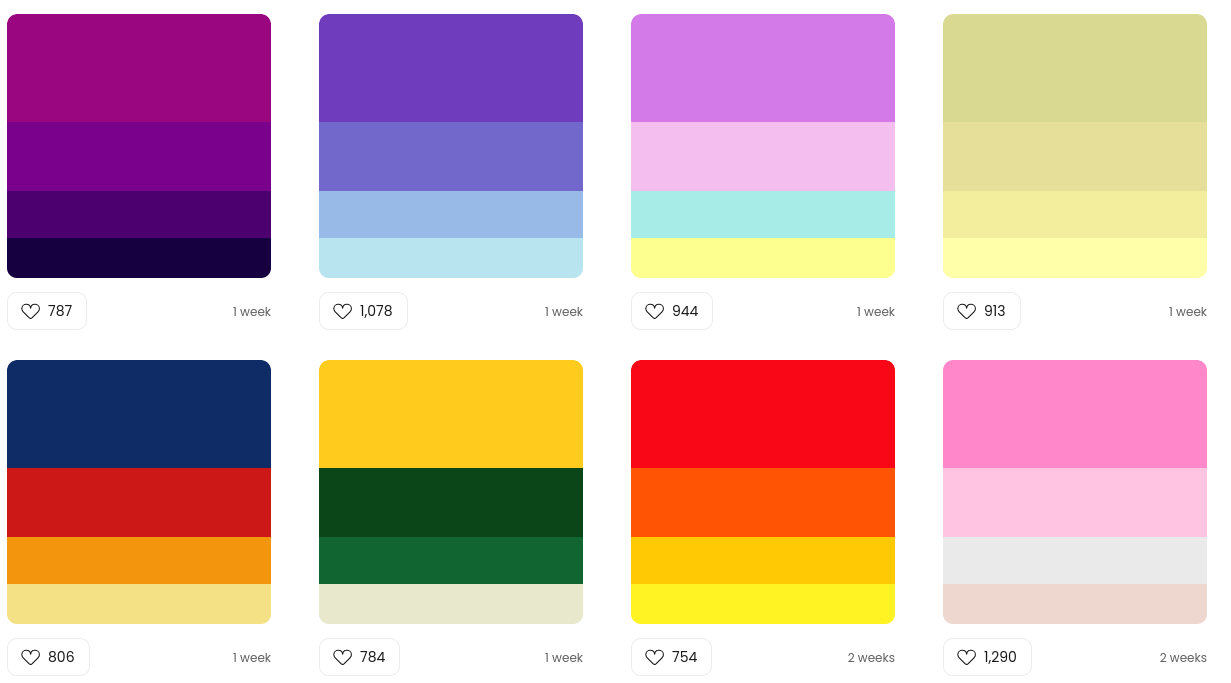
While playing with p5.js I often stumble upon a problem of color palette choice. The colors that I use in my artictic/programming playground are (usually) randomly generated. Even though I’m familiar with practical superiority of HSL/HSB over RGB colorscpace and I seldom use RGB in my scripts, I haven’t tried to create a color palette algorithm myself.
I’m sure there are many such algorithms. There are plenty of pages that allow the user to enter a color and they helpfully output a set of matching, somehow related colors that form some kind of a palette. The obvious target users of such pages are:


At the end of November my whole familly (me included) got ill. Lots of coughing and sneezing, tons of medicines and headaches. Together with a very poor physical health I experienced also some time of intellectual “downtime” and my blog did not receive enough love from my side. Today I write about something that let me pick up the pieces and renew my creative and intelectual powers.
One day I took my pencil and - after usual, daily session of doodling monsters and cats for my daughter I decided to draw something else. Of course, it was Internet (YT in particular) that inspired me: I found “Beginer’s drawing course” and started sketching.

In this post I’m reading official PostgreSQL documentation related to date and time types, and taking notes. In case you know this stuff: nothing fancy here. However, if you need a refresher - then: go ahead and read, you’re welcome!

What should I know about Gradle? How to create a project with submodules? Or maybe: how to create simple project? Or how to use Gradle with Kotlin?
